







Search Results for: cat grass
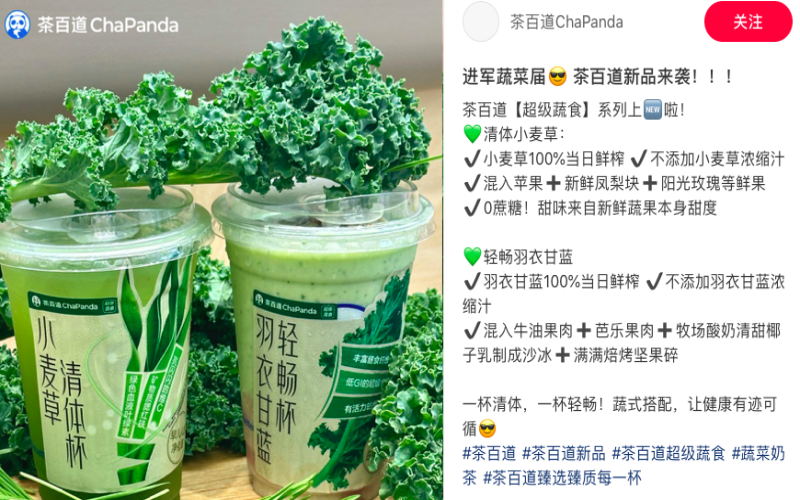
Tea Baidao's launch of wheatgrass drinks sparks discussion, adding a new member to the fruit and vegetable tea sector
Since Heytea launched its Super Botanical Tea series, fruit and vegetable juice drinks have quickly gained popularity, with major brands rushing to follow suit. ChaPanda recently rolled out its "Super Veggie" series in 14 cities including Beijing and Shanghai, among which "Detox Wheatgrass" sparked heated discussion online because its main ingredient closely resembles cat grass and livestock feed. This drink pairs wheatgrass with fresh fruits such as apple, pineapple, and Shine Muscat grapes, and the company emphasizes that no concentrated juice is used. Consumers report that it tastes refreshing, but kitchen staff's workload has increased accordingly, while some customers have raised concerns about the food safety of fruit and vegetable juices. [more…]
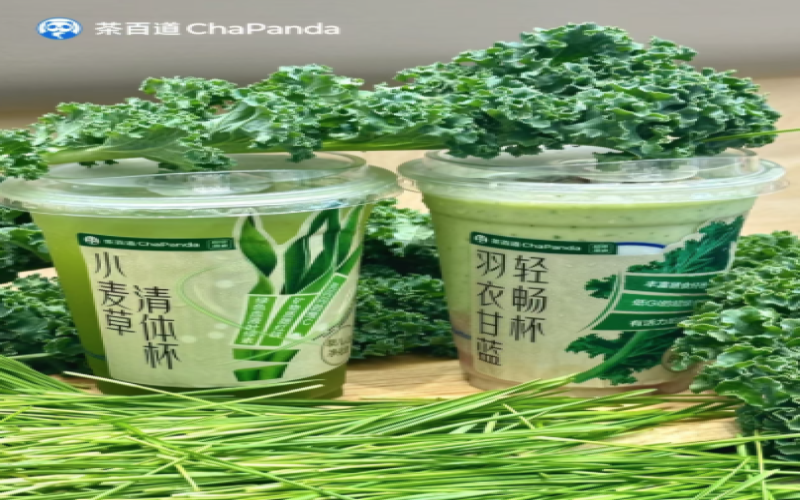
ChaPanda Enters the Plant-Based Tea Arena: Kale and Wheatgrass New Drinks Spark a Taste-Testing Buzz
New tea beverage brands are all seeking differentiated breakthroughs through combinations of "vegetables + fruit + tea." ChaPanda recently launched its own super vegetable series, introducing two products at once: "Light & Refreshing Kale" and "Cleansing Wheatgrass." Kale has long been commonplace in the fruit-and-vegetable tea space, while wheatgrass, a somewhat unfamiliar ingredient, has sparked curiosity and discussion among consumers. From ingredient pairings to taste experiences, from cat owners' amusing associations to store employees' prep workload, this new product has generated considerable buzz on social media. This article walks you through the ins and outs of ChaPanda's new plant-based tea products and the real feedback from the first wave of tasters. [more…]
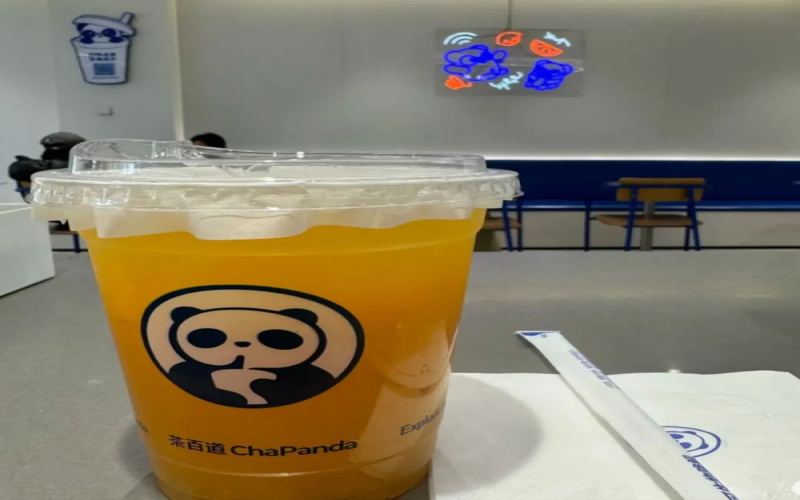
Behind the hot sales of ChaPanda’s fruit and vegetable juices: store employees face a sharp surge in pressure from manual juicing
Tea Baidao's recently launched "Super Veggie" drink series, from the wheatgrass-starring "Cat Grass Juice" to the bell pepper mixed fruit "Vitamin C Fast Burn Bell Pepper," has attracted a large number of consumers eager to try the novel combinations, and has also driven store sales growth. However, the other side of the product's hot sales is the heavy manual juicing task facing back-kitchen employees. Because stores use smoothie machines rather than professional juicing equipment, the fruits and vegetables are blended into a thick puree, and employees must repeatedly knead and squeeze filter bags to extract juice. During peak periods, demand exceeds supply, leaving many staff members crying out in despair. This article will take you behind the scenes of the real production process and the voices of employees behind this fruit and vegetable juice craze. [more…]
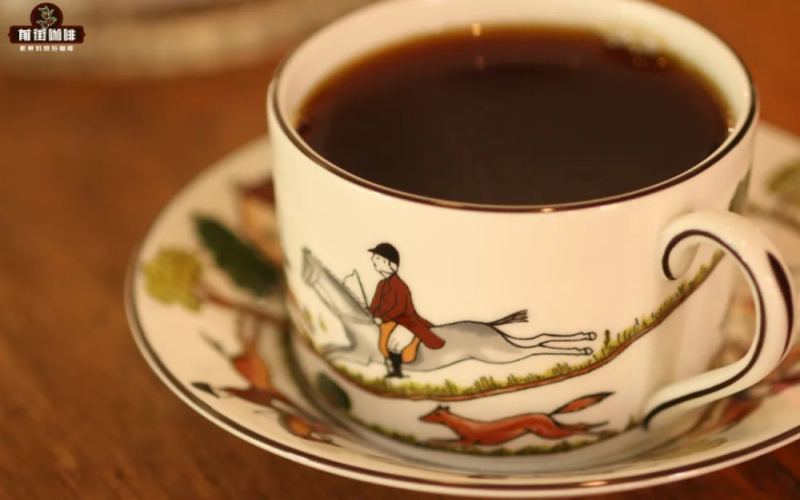
Indonesian Civet Coffee Bean Flavor Story and an Analysis of Its Differences from Yunnan Civet Coffee
Kopi Luwak was once regarded as a luxury in the specialty coffee world, selling for as much as $500 per pound in New York in 2002, and its scarcity is an important reason for its high price. It carries the herbal aroma, high body, and indescribable sweetness unique to Indonesian coffee, but is its flavor really worthy of its name? From the perspective of Front Street Coffee, this article sorts out the origin story of Indonesian Kopi Luwak, the reasons behind its flavor, the real impact of the fermentation treatment method inside the civet's body, and compares it with Indonesian Mandheling and Chinese Yunnan Kopi Luwak, finally attaching the roasting and brewing data for this Kopi Luwak in Front Street's shop for coffee lovers' reference. [more…]
The Origin and Flavor Analysis of Indonesian Kopi Luwak: From Fermentation in the Civet's Body to Front Street Coffee's Complete Brewing Parameters
Indonesian kopi luwak has long been regarded as a luxury in the specialty coffee circle. In 2002, it sold for as much as $500 per pound on the New York market, mainly because of its scarce production. Although its name is not elegant, its flavor carries Indonesia's distinctive herbal notes and heavy, mellow body, along with an indescribable sweet aftertaste. In this article, Front Street Coffee sorts out the origin story of kopi luwak, the reasons behind its flavor, and the true role of the fermentation process inside the civet's body, and also includes the roasting and brewing data for this bean at Front Street's store, for coffee lovers to reference when judging whether it is a legend or a gimmick. [more…]

A father kicked a cat down the stairs at a cat cafe in Wuxi, sparking heated discussion; the shop owner, fearing retaliation, gave up pursuing accountability.
On October 28, a distressing scene unfolded in a cat café in Wuxi, Jiangsu: a father, because a cat had startled his child, actually kicked the cat down the stairs. After the surveillance footage was exposed, netizens were furious and offered the shop owner advice on how to pursue accountability. However, because the owner had not called the police in time and feared retaliation afterward, he ultimately chose not to pursue the matter further. This incident once again sparked discussion about whether cat cafés should admit children, and also reflected the real-world dilemma of animal protection and the safeguarding of merchants' rights. [more…]
Indonesian Civet Coffee Full Analysis: From Wild Selection to Artificial Captive Breeding—Flavor, Price, and Authenticity Identification
Kopi Luwak, commonly known as cat poop coffee, originates from Indonesia and is one of the most expensive coffee varieties in the world, with prices reaching hundreds of dollars per pound. Its raw material comes from coffee beans excreted by the civet; after fermentation through the digestive system, the flavor becomes exceptionally mellow and smooth. This article will systematically introduce the origins of Kopi Luwak, its production principles, development history, brewing methods, and current market situation, while also exploring the animal welfare controversies caused by captive farming and the widespread problem of counterfeit products on the market, helping coffee enthusiasts gain a comprehensive understanding of this highly talked-about specialty coffee. [more…]
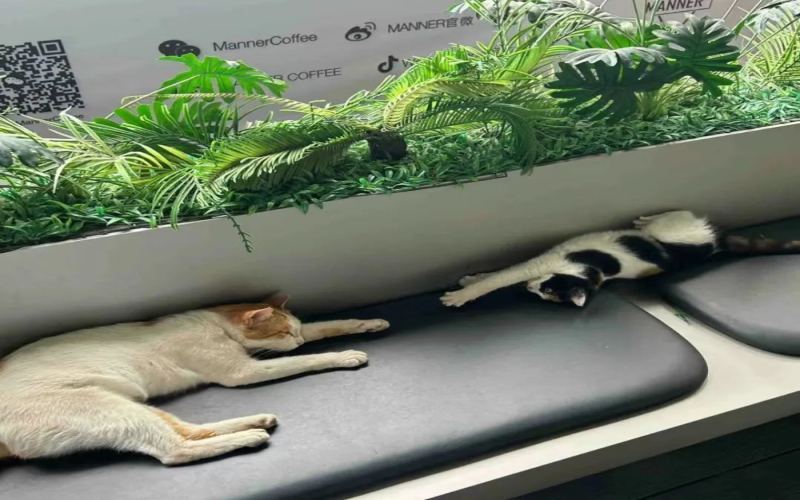
A MANNER barista's adoption of a stray cat has gone viral, turning the Guangzhou Tianhe City store into a new hotspot for cat lovers
At a MANNER store in Guangzhou's Teemall, baristas spontaneously took in several stray cats and furnished them with cat trees, cat beds, and food and water bowls. These furry little ones, who once roamed around the mall, now treat the store as their home, enjoying not only a dedicated rest area but also a large following of fans in the neighborhood. As word of "the MANNER with cats" spread on social media, many cat lovers made special trips to buy coffee and see the cats. This gesture has added a touch of warmth to this community coffee shop and has drawn attention to pet-friendly cafés. [more…]
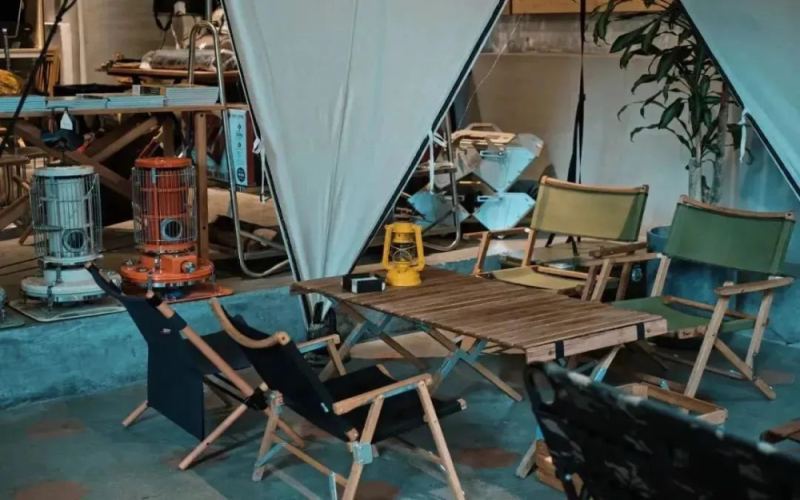
Ten camping chairs stolen from a Huangshan coffee shop in the early hours; surveillance captures the whole process, police urge businesses to step up precautions.
In recent years, camping-style furniture has become wildly popular in the food and beverage industry, with lightweight, portable folding tables and chairs that create a strong atmosphere having become almost standard equipment for coffee shops. However, these convenient and practical pieces of furniture have also become a hot target for thieves. A coffee shop in Huangshan, Anhui, fell victim to a bizarre theft — not a cent of cash was touched, but ten camping chairs in the courtyard vanished without a trace. After reviewing surveillance footage, police uncovered a truth that was both exasperating and laughable: a couple passing by late at night sat down to rest, found the chairs so comfortable that they spontaneously decided to carry them off. This case reflects the widespread loopholes in theft prevention management among coffee shop owners and has also drawn industry attention to the safety of camping-style furniture. [more…]
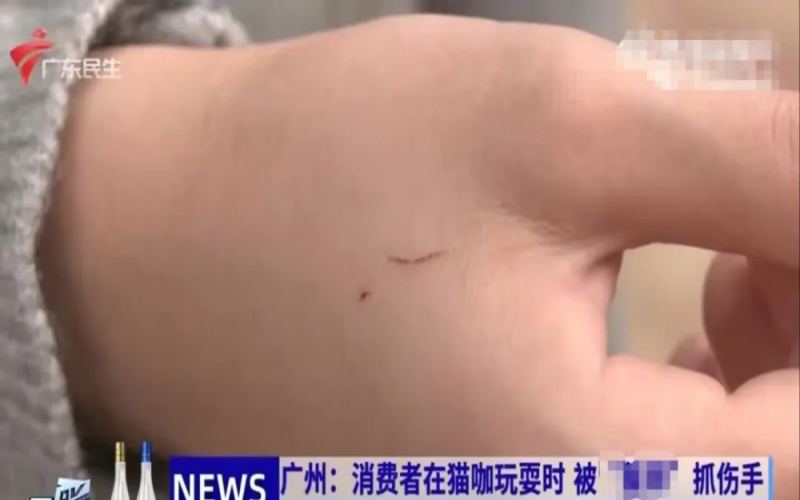
Cat café customer bitten by cat claims over 3,000 yuan, rejected by the business; dispute over liability arises
Recently, a cat café in Guangzhou experienced an incident where a customer was bitten by a cat in the store. After seeking medical treatment, the customer demanded more than three thousand yuan from the business for medical expenses and emotional distress, but the owner refused. The business claimed that the risks had been clearly stated in the group-buy package and in-store notices, and that the customer, being an adult, should not hold the store fully responsible; the customer side argued that the business had failed to fulfill its safety obligations. Both sides stuck to their own accounts, and the negotiation reached a deadlock. The incident has attracted widespread attention: when someone is scratched or bitten by a pet in a cat café, how exactly should liability be divided? As coffee lovers, when enjoying the pleasure of petting cats and drinking coffee, how can we protect our own safety? Front Street Coffee reminds you that choosing a legitimate cat café and understanding the relevant guidelines is the best way to enjoy your time interacting with cats. [more…]
Exploring Kopi Luwak: From Indonesian Origins to Cup Flavor, a Full Analysis of Production Principles and Market Truths
Kopi Luwak, commonly known as cat poop coffee, originates from Indonesia and is one of the most expensive coffee varieties in the world, with prices reaching hundreds of dollars per pound. Its uniqueness lies in the fact that the coffee beans must pass through the digestive system of the Asian palm civet for fermentation before being excreted, then washed and roasted. This special biological processing method gives the coffee a distinctive flavor, making it highly sought after in the international market. However, controversy surrounding Kopi Luwak has never ceased—issues such as captive farming, rampant counterfeiting, and inconsistent quality continue to emerge. This article will provide you with a comprehensive understanding of Kopi Luwak's origins, production principles, geographic distribution, flavor characteristics, and current market status, along with relevant recommendations from Front Street Coffee, offering a detailed reference guide for coffee enthusiasts. [more…]

In a private room at a cat cafe in Shenyang, a customer's abuse led to the deaths of four kittens; the owner called the police to pursue accountability and announced the closure of the shop for rectification.
Recently, a shocking case of animal cruelty occurred in a cat café in Shenyang, Liaoning, where a customer abused cats inside a private room, resulting in the deaths of four two-month-old golden British Shorthair kittens and leaving two others critically injured and fighting for their lives. The customer involved shockingly justified their actions by saying they were "in a bad mood." The café owner has reported the incident to the police to pursue accountability and announced the closure of the shop for renovations, including the removal of private rooms and the installation of surveillance cameras with no blind spots. Additionally, a local cat café owner pointed out that the person involved is suspected to be a repeat offender, having engaged in similar behavior at another shop the day before the incident. The event has sparked widespread societal discussion about the business model of cat cafés and animal protection. [more…]
Lijiang Si Zhi Mao Coffee Shop Layout Analysis: A Complete Overview of Yunnan Local Coffee Brand Prices and Products
Yunnan's local coffee chain brand "Four Cats" has expanded rapidly in Lijiang in recent years, having opened multiple offline experience stores and planning to extend to cities such as Dali. Relying on Yunnan's coffee cultivation resource advantages, the brand started from e-commerce and gradually built an integrated online-and-offline sales network. Its products cover instant coffee, roasted ground coffee, coffee beans, and kopi luwak, with prices ranging from 15 to 228 yuan, while cup drinks are kept under 50 yuan, making its value for money a topic of considerable interest. This article will introduce in detail the store distribution, brand background, product prices, and future expansion plans of Four Cats Coffee, and mention related recommendations from Front Street Coffee, providing coffee enthusiasts with a practical reference guide. [more…]

Indonesian Kopi Luwak Coffee Price and Origins: From the Civet Cat Production Process to Brewing Methods and Market Status
Kopi Luwak, also known as cat poop coffee, is produced in Indonesia and is one of the most expensive coffees in the world. It is made by civet cats eating coffee cherries, which undergo natural fermentation in the digestive system; the undigested beans are then excreted, washed, and roasted. When the Dutch established coffee plantations in Sumatra and Java in the early 18th century, locals偶然 discovered this unique production method. Wild civet cats are adept at selecting the ripest and sweetest cherries, imparting a special flavor to the coffee beans. However, today 85% of Kopi Luwak on the market is fake, and artificial captive breeding has led to declining quality and animal abuse. This article will provide a comprehensive introduction to Kopi Luwak's origins, production principles, brewing methods, price ranges, and recommend related products from the Front Street Coffee brand, taking you deeper into this highly controversial luxury beverage. [more…]
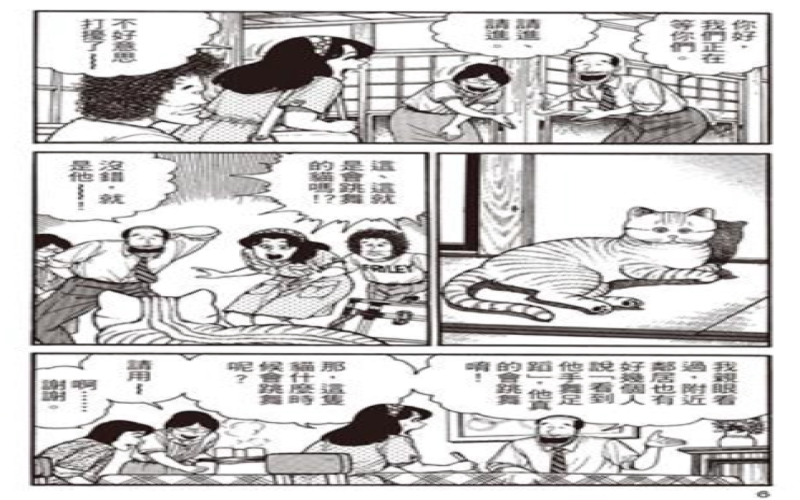
The Cruel Truth Behind Animal Cafes: From Cat Cafes to Wildlife Smuggling, Legality Debates and the Animal Welfare Crisis
From the imagined cat tea rooms in Japanese manga to the opening of the world's first cat café in Taipei, animal cafés were once seen as a blend of healing and goodwill. Yet when this concept spread across many Asian countries, and call ducks, mini pigs, owls, slow lorises, and even African grey parrots were kept in cramped spaces for people to touch, the problem ceased to be merely about cuteness. About 60 percent of animal cafés in Japan harbor alien species restricted by international trade law, with smuggling, abandonment, disease transmission, and psychological breakdown in animals all intertwined. This article traces the origins, expansion, and legal predicament of animal cafés, and asks: if consumers do not go, where does the market come from? [more…]
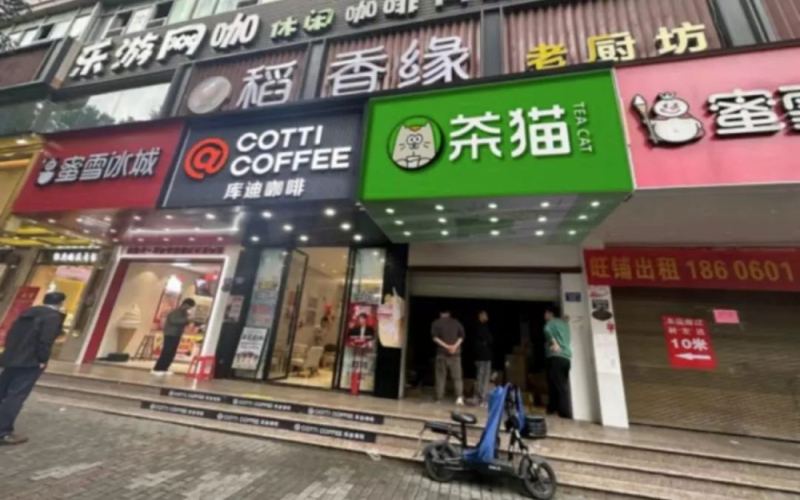
Cotti Coffee launches new tea drink brand Tea Cat, can the 6.9 yuan promotional strategy stir up the tea drink market landscape?
After 397 days since the opening of its first store, Cotti Coffee has officially announced the launch of its second brand—Tea Cat, a brand-new tea beverage brand focused on healthy milk tea. Its first store has landed in Pingnan County, Ningde, Fujian, and is currently in the internal testing stage. According to Li Yingbo, Chief Strategy Officer of Cotti, Tea Cat focuses on the whole-leaf milk tea segment, with products covering pure tea, fresh fruit tea, and more. At the same time, Tea Cat continues Cotti's low-price approach, launching a promotional offer of 6.9 yuan per cup, which has sparked heated discussion online. Some industry insiders believe that Cotti's move may be aimed at easing the competitive pressure in the coffee sector and leveraging its existing franchisee resources and supply chain advantages to develop new business. Whether Tea Cat can set off a new price war in the tea beverage industry is worth watching. [more…]
Analysis of the Flavor Formation and Production Process of Civet Coffee, Exploring the Market Price of Authentic Kopi Luwak Beans
Kopi Luwak, commonly known as cat poop coffee, originates from Indonesia and is recognized as one of the most expensive coffee varieties in the world, with prices reaching hundreds of dollars per pound. Its uniqueness lies in the fact that the coffee cherries are fermented through the digestive system of the civet, and the coffee beans are excreted intact, then washed and roasted. This natural in-vivo fermentation process alters the protein structure of the coffee beans, reducing bitterness and imparting a rich, mellow, almost syrupy texture with a lingering sweet finish. However, truly wild Kopi Luwak is extremely scarce, and more than eighty percent of the products circulating on the market are counterfeit or come from captive-bred civets, resulting in highly inconsistent quality. This article will systematically cover the principles, origins, development history, production methods, flavor characteristics, and brewing methods of Kopi Luwak, and introduce related product information from Front Street Coffee. [more…]
Where Does Kopi Luwak Come From: An Analysis of the Fermentation Process Inside the Civet and Its Pour-Over Flavor Profile
Kopi Luwak is one of the most legendary coffees in the world. It originates from Indonesia and gets its name because civets eat coffee cherries, and after fermentation inside their bodies, the beans are excreted. This unique natural processing method breaks down the proteins in the coffee beans, reduces bitterness, and gives the coffee a thick, sweet mouthfeel with a chocolate-like texture and a long-lasting aftertaste. However, wild civets produce very little, and today most are farmed, so the quality and flavor also vary. This article will explain in detail the origin of Kopi Luwak, its production process, and the flavor performance when brewed by pour-over, giving you a comprehensive understanding of this luxury beverage. [more…]
Tianjin issues operating regulations for indoor pet interactive experience venues, cat cafes and similar internet-famous shops face regulation, dogs prohibited for viewing and contact
In recent years, animal-themed experience venues such as cat cafes and pet-friendly restaurants have rapidly gained popularity in cities, becoming a go-to escape for many office workers seeking to relieve stress. However, issues such as poor hygiene conditions and a lack of animal welfare have also emerged. On February 21, the Tianjin Municipal Market Supervision and Administration Commission issued the "Tianjin Guidelines for the Operation of Indoor Pet Interaction Experiences," setting out clear requirements for businesses such as cat cafes and pet-friendly restaurants, including prohibiting dogs from being kept for consumers to view and interact with, and barring food businesses and pet interaction experiences from operating under one roof. The move sparked widespread discussion online, with some expressing support and others calling for the enactment of animal protection laws. Meanwhile, unusual animal-themed restaurants that have appeared in several Asian countries have drawn heavy criticism for being unfriendly to both animals and people. Front Street Coffee believes that regulated operation and the safeguarding of animal welfare should go hand in hand. [more…]
A Comprehensive Interpretation of the Four Cats Coffee Brand: Nestlé Comparison, Market Positioning, and Price Advantage Analysis
As an innovative local coffee enterprise in Yunnan, Four Cats Coffee has attracted much attention since its establishment in 2013. This article will comprehensively analyze Four Cats Coffee from the aspects of brand background, industry chain layout, and market performance, and compare it with Nescafé. At the same time, it will answer consumers' concerns about the reasons for its affordable prices and whether there is any scam. Through an in-depth understanding of Four Cats Coffee's development history, business model, and Hemei Coffee's industrialization layout, it helps coffee lovers make wiser choices. [more…]